Saul Zaentz Net Worth: Inside the $30M Fortune of an Oscar-Winning Producer
Saul Zaentz, a name synonymous with cinematic excellence and astute business acumen, crafted a remarkable legacy in Hollywood that extended far beyond the silver screen. Known for his unwavering dedication to adapting literary masterpieces and his rare trifecta of Best Picture Academy Awards, Zaentz built a substantial fortune. At the time of his passing in January 2014, the acclaimed American film producer and former record company executive had amassed a **Saul Zaentz net worth** of an estimated $30 million. This impressive sum reflects a career defined by artistic integrity, strategic intellectual property management, and a relentless pursuit of quality filmmaking. Join us as we delve into the life and financial achievements of this visionary producer, tracing his journey from the music industry to the pantheon of Hollywood legends.
The Genesis of a Mogul: From Music to Masterpieces
Born in Passaic, New Jersey, in February 1921, Saul Zaentz's initial foray into the entertainment world wasn't in film, but in music. He started his career as a record company executive, a role that undoubtedly honed his business instincts and understanding of creative industries. While the specifics of his early music ventures are less documented than his film career, this foundation in the record business provided a crucial springboard for his eventual pivot to film production. His experience managing artists, negotiating deals, and understanding intellectual property rights would prove invaluable in his subsequent cinematic endeavors.
Zaentz’s true calling, however, lay in storytelling through film. What set him apart was his profound dedication to literary adaptation. Unlike many producers who seek original screenplays, Zaentz was a prolific reader with an acute sense for transforming complex novels into compelling cinematic experiences. He rarely produced original stories, with his final film, *Goya's Ghosts*, being a notable exception, co-written by Jean-Claude Carrière and Miloš Forman. This strategic focus on established narratives minimized creative risks and allowed him to tap into stories with proven depth and character development, often leading to critical acclaim and commercial success. It was this unique "Zaentz Touch" – a meticulous approach to bringing beloved books to life – that became his signature and a cornerstone of his burgeoning **saul zaentz net worth**.
Oscar Triumphs and Cinematic Landmarks: How Zaentz Built His Fortune
Saul Zaentz's career as a film producer is decorated with some of the most prestigious accolades in the industry, most notably three Academy Awards for Best Picture. This remarkable achievement, coupled with the Irving G. Thalberg Memorial Award in 1996 for his consistently high-quality productions, cemented his status as a titan of cinema. These awards were not merely trophies; they were indicators of films that resonated deeply with audiences and critics alike, often translating into significant financial success that contributed directly to his wealth.
The Triple Crown: Best Picture Wins
Zaentz's Midas touch was evident in his ability to identify and nurture projects that would become cinematic touchstones:
* ***One Flew Over the Cuckoo's Nest* (1975):** This powerful adaptation of Ken Kesey's novel, directed by Miloš Forman and starring Jack Nicholson, swept the major Oscar categories, winning Best Picture, Best Director, Best Actor, Best Actress, and Best Screenplay. It was a critical and commercial phenomenon, grossing over $100 million on a modest budget, establishing Zaentz as a force to be reckoned with.
* ***Amadeus* (1984):** Another collaboration with Miloš Forman, this lavish biopic of Wolfgang Amadeus Mozart showcased Zaentz's commitment to grand, artistic storytelling. *Amadeus* garnered eight Academy Awards, including Best Picture, captivating audiences with its rich historical detail and powerful performances. Its global success further amplified Zaentz's reputation and financial standing.
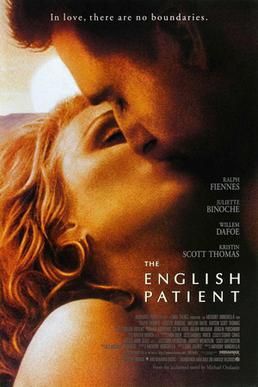
* ***The English Patient* (1996):** Directed by Anthony Minghella, this sweeping romantic war drama, based on Michael Ondaatje's novel, captured nine Academy Awards, including Zaentz's third Best Picture Oscar. Its critical acclaim and worldwide box office success solidified his legacy as a producer who consistently delivered award-winning, high-quality cinema.
These Best Picture triumphs were not isolated incidents but part of a strategic pattern. Zaentz understood that critical acclaim often led to sustained viewership and ancillary revenue streams, which are vital components in building a producer's wealth over time.
Beyond the Gold Statues: Other Notable Productions
While the Oscars highlight the pinnacle of his achievement, Zaentz's filmography boasts a range of other significant productions that contributed to his impressive **Saul Zaentz net worth**:
* ***The Lord of the Rings* (1978):** While Peter Jackson's live-action trilogy is more famous, Zaentz produced Ralph Bakshi's animated adaptation. Crucially, Zaentz and his company, The Saul Zaentz Company, acquired the exclusive worldwide rights to produce, distribute, and merchandise films based on J.R.R. Tolkien's *The Lord of the Rings* and *The Hobbit* back in 1976. This intellectual property (IP) acquisition proved to be one of the most lucrative decisions of his career, generating immense value over decades through various adaptations and licensing deals, including a share of the profits from Jackson's blockbuster films. This foresight in securing valuable literary rights is a testament to his long-term financial vision. For more on this aspect of his career, explore
Saul Zaentz's $30M Net Worth: The Producer Behind Middle-earth & Oscar Wins.
* ***The Mosquito Coast* (1986):** Starring Harrison Ford, this film, while not an Oscar winner, demonstrated Zaentz's willingness to support challenging and thought-provoking material.
* ***The Unbearable Lightness of Being* (1988):** An adaptation of Milan Kundera's acclaimed novel, this film received critical praise and showcased Zaentz's continued commitment to serious literary works.
* ***Goya's Ghosts* (2006):** His final production, marking a rare deviation from his adaptation rule.
These projects, alongside his Oscar winners, underscore a career built on quality, artistic ambition, and a keen eye for financially viable intellectual property.
The Business Acumen Behind the Brilliance: The Saul Zaentz Film Center & IP
Beyond his role as a creative force, Saul Zaentz was a savvy businessman who understood the infrastructure and financial mechanisms of the film industry. His strategic investments and long-term vision played a significant role in accumulating his $30 million fortune.
The Saul Zaentz Film Center: A Hub for Creativity
In Berkeley, California, Zaentz established the Saul Zaentz Film Center. This facility was more than just an office; it was a comprehensive production and post-production hub that offered state-of-the-art services to Bay Area filmmakers. By owning and operating such a center, Zaentz not only provided essential resources to the local film community but also created a self-sustaining ecosystem for his own projects. This vertical integration allowed him greater control over the production process, potentially reducing costs and increasing efficiency for his films while also generating revenue from other productions utilizing the center's services. It represented a tangible asset that contributed to his overall wealth and influence in the industry.
The Power of Intellectual Property: Middle-earth and Beyond
Perhaps the most significant financial contributor to the **Saul Zaentz net worth**, particularly in the latter half of his life, was his astute management of intellectual property. As mentioned, the acquisition of film and merchandise rights for J.R.R. Tolkien's *The Lord of the Rings* and *The Hobbit* was a masterstroke. Long before the multi-billion-dollar success of Peter Jackson's films, Zaentz recognized the enduring value of these stories. Holding these rights meant that any major live-action adaptations, video games, or significant merchandise lines based on Middle-earth had to pass through The Saul Zaentz Company, leading to substantial licensing fees and profit shares. This demonstrates a crucial insight for anyone aspiring in media:
*
Understand the value of original content: While Zaentz adapted, he understood the *original* source's inherent value.
*
Secure broad rights: Don't just think about film, but merchandising, television, gaming, etc.
*
Play the long game: IP value often appreciates over decades, far beyond the initial production.
This foresight turned a creative passion into a formidable financial engine, ensuring his legacy and wealth would continue to grow long after his active producing days. For a deeper dive into his strategy regarding adaptations and IP, consider reading
From Novels to Oscars: Saul Zaentz's $30M Net Worth and Film Legacy.
The Enduring Legacy: More Than Just a $30M Net Worth
Saul Zaentz passed away on January 3, 2014, at the age of 92, leaving behind a legacy that transcends his $30 million net worth. He was a producer who championed quality, taking calculated risks on rich narratives and fostering environments where creative visions could flourish. His life offers valuable lessons for aspiring filmmakers and entrepreneurs alike.
A Visionary Producer's Impact
Zaentz’s impact on cinema is profound. He proved that commercial success and artistic integrity are not mutually exclusive. His commitment to the power of the novel, his support for visionary directors like Miloš Forman and Anthony Minghella, and his ability to navigate the complex business landscape of Hollywood made him a legend. He demonstrated that a producer could be both a gatekeeper of culture and a shrewd business operator.
Tips for Aspiring Producers
Drawing inspiration from Saul Zaentz's career, here are some actionable insights for those looking to make their mark in the film industry:
*
Cultivate a Deep Understanding of Story: Like Zaentz, become a prolific reader and develop a keen eye for compelling narratives, regardless of their original medium.
*
Focus on Quality Over Quantity: Zaentz’s filmography, though not voluminous, is packed with critically acclaimed and enduring films. Prioritize projects that you truly believe in and that have the potential for lasting impact.
*
Master the Art of Adaptation: If you choose to adapt, respect the source material while understanding what needs to change for the cinematic form. Zaentz excelled at this delicate balance.
*
Understand and Secure Intellectual Property: Recognize that the rights to a story can be as valuable, if not more so, than the film itself. Invest strategically in acquiring and managing IP.
*
Build a Strong Creative Network: Zaentz's repeated collaborations with directors like Miloš Forman highlight the importance of fostering long-term, trusting relationships with talent.
*
Invest in Infrastructure: Establishing resources like the Saul Zaentz Film Center can provide control, efficiency, and additional revenue streams for your projects.
Conclusion
Saul Zaentz’s life was a testament to the power of vision, dedication, and strategic business sense. His estimated **Saul Zaentz net worth** of $30 million at the time of his death was a fitting financial reflection of a career built on artistic excellence and shrewd decision-making, especially concerning intellectual property. From his pivotal role in bringing Middle-earth to the screen to his unprecedented three Best Picture Oscar wins, Zaentz sculpted a legacy that continues to inspire and inform. He was more than just a producer; he was a custodian of stories, a champion of quality, and a testament to the enduring magic of cinema. His influence lives on, not only in the films he brought to life but in the blueprint he provided for achieving both artistic triumph and financial success in the demanding world of entertainment.