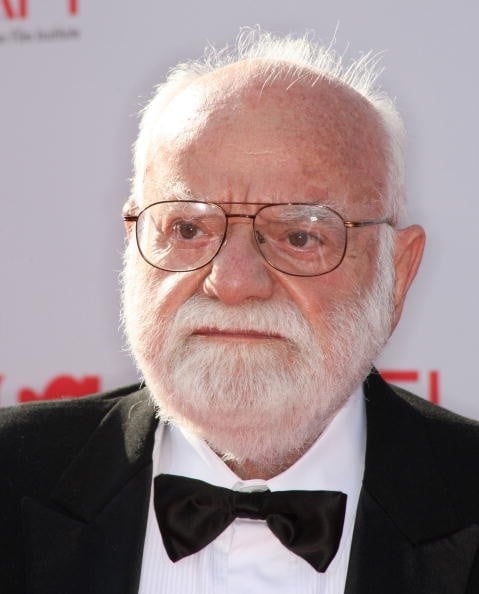
In the glittering annals of Hollywood, few names resonate with the singular artistic and financial success of Saul Zaentz. An American film producer and former record company executive, Zaentz carved a unique niche by consistently bringing complex literary masterpieces to the big screen, often against considerable odds. His remarkable career, spanning decades, not only earned him an astonishing three Academy Awards for Best Picture but also culminated in a substantial Saul Zaentz net worth of $30 million at the time of his passing in 2014. This article delves into the fascinating journey of a man who proved that a steadfast dedication to storytelling, combined with shrewd business acumen, could translate novels into cinematic gold and a significant fortune.
The Maestro of Adaptations: Saul Zaentz's Unconventional Path to Cinema
Born in Passaic, New Jersey, in February 1921, Saul Zaentz's journey into the entertainment world began not with film, but in the vibrant, ever-evolving music industry. While the specifics of his early record company executive career remain less documented than his cinematic triumphs, this foundational experience undoubtedly sharpened his business instincts and understanding of creative rights – crucial skills that would later define his success as a film producer. Unlike many of his contemporaries who sought out original screenplays or commercial blockbusters, Zaentz had an almost singular vision: to translate the depth and complexity of published novels into compelling cinematic experiences.
This dedication wasn't a mere preference; it was the cornerstone of his entire production philosophy. A self-proclaimed "prolific reader," Zaentz possessed an uncanny ability to identify novels with profound themes, rich characters, and intricate narratives that could transcend the page. His approach was often risky, as adapting acclaimed literature frequently involved navigating complex rights, appeasing devoted fan bases, and funding projects that might not always have immediate, obvious commercial appeal. Yet, it was precisely this artistic integrity and unwavering belief in the power of great stories that became his hallmark.
From Page to Oscar Stage: A Trilogy of Best Picture Triumphs
Zaentz's commitment to literary adaptations bore extraordinary fruit, culminating in an unprecedented three Best Picture Academy Awards – a feat that solidifies his legendary status. Each of these films stands as a testament to his discerning eye and his ability to shepherd ambitious projects to critical and commercial success, significantly contributing to the expansion of Saul Zaentz's net worth and influence in Hollywood.
- One Flew Over the Cuckoo's Nest (1975): This adaptation of Ken Kesey's seminal novel, directed by Miloš Forman, was a cinematic earthquake. Starring Jack Nicholson in an iconic role, the film swept the "Big Five" Oscars (Best Picture, Director, Actor, Actress, Screenplay) – a rare achievement that catapulted Zaentz into the top echelons of producers. It was a bold choice, tackling themes of rebellion, conformity, and mental health within the confines of a psychiatric institution, and its success cemented Zaentz's reputation for backing challenging, high-quality material.
- Amadeus (1984): Teaming up with Forman again, Zaentz brought Peter Shaffer's stage play (which itself adapted historical accounts) about the rivalry between Wolfgang Amadeus Mozart and Antonio Salieri to the screen. A sumptuous historical drama, Amadeus garnered eight Academy Awards, including Zaentz's second Best Picture. Its lavish production design, brilliant performances, and exploration of genius and envy captivated audiences and critics alike.
- The English Patient (1996): Directed by Anthony Minghella, this sweeping romantic war drama, based on Michael Ondaatje's novel, was a tour de force. It won nine Academy Awards, including Zaentz's third Best Picture, solidifying his unique legacy. The film's complex narrative structure, stunning visuals, and powerful emotional core demonstrated Zaentz's continued mastery in selecting and nurturing literary adaptations that resonated globally.
Beyond these Oscar-winning masterpieces, Zaentz's filmography boasts an impressive array of other significant adaptations. He produced the animated version of The Lord of the Rings (1978), a testament to his early recognition of the fantasy epic's potential, long before the live-action blockbusters. Other notable works include The Mosquito Coast (1986), The Unbearable Lightness of Being (1988), and At Play in the Fields of the Lord (1991). His final production, Goya's Ghosts (2006), was a rare departure from his usual pattern, being an original story by Jean-Claude Carrière and Miloš Forman, showcasing his willingness to explore new avenues while remaining true to his collaborative spirit.
The Business Acumen of a Producer: Beyond the Blockbusters
While Zaentz's artistic achievements are undeniable, it's equally important to examine the shrewd business acumen that underwrote his success and contributed significantly to his reported Saul Zaentz net worth of $30 million. Being a successful producer is not just about creative vision; it's about navigating the intricate financial landscape of filmmaking, securing intellectual property rights, managing complex budgets, and ensuring effective distribution.
Zaentz demonstrated this business prowess not only through the profitability and critical acclaim of his films but also through his broader contributions to the industry. The establishment of The Saul Zaentz Film Center in Berkeley, California, was a prime example. This facility offered state-of-the-art production and post-production services to Bay Area filmmakers, creating an ecosystem that fostered local talent and innovation. Such an enterprise not only served as a practical resource for the film community but also represented a tangible asset that added to Zaentz's overall financial portfolio. It underscored his belief in providing the infrastructure necessary for independent and quality filmmaking.
In recognition of his consistent excellence and profound impact as a producer, Zaentz was also honored with the Irving G. Thalberg Memorial Award in 1996. This prestigious Academy Award is given to "creative producers whose body of work reflects a consistently high quality of motion picture production." It's not a competitive award but a special honor, further cementing his status as a titan of industry and a testament to the long-term value and artistic integrity he brought to his projects. These accolades, combined with the enduring global appeal and commercial success of his films, explain how his dedication to craft translated into a significant Saul Zaentz net worth.
Enduring Impact and Lessons from a Master Storyteller
Saul Zaentz passed away on January 3, 2014, at the age of 92, leaving behind a legacy that continues to inspire filmmakers and storytellers. His career offers invaluable lessons for aspiring producers and artists:
- Prioritize Story Above All: Zaentz's unwavering belief in the power of a well-told story, particularly those found in literature, demonstrates that artistic merit can indeed lead to commercial success and critical acclaim. He proved that audiences crave depth and substance.
- Strategic Vision for Intellectual Property: His keen eye for acquiring the rights to complex novels, like those of J.R.R. Tolkien, showcased a foresight into the long-term value of intellectual property. This strategic approach to rights management is a critical component of building lasting wealth in the entertainment industry.
- Cultivate Collaborative Relationships: His repeated collaborations with directors like Miloš Forman underscore the importance of fostering strong, trusting relationships with creative talent. A producer's role often involves being the bridge between artistic vision and practical execution.
- Invest in Infrastructure: The Saul Zaentz Film Center exemplifies how investing in the foundational elements of filmmaking (production, post-production facilities) can not only serve the community but also create valuable assets and revenue streams.
Saul Zaentz was more than just a producer; he was a curator of culture, a champion of literary artistry, and a meticulous craftsman who shaped some of cinema's most beloved and enduring films. His $30 million net worth was not merely a measure of financial success, but a reflection of the profound value he created through his dedication to quality and his unique vision for adapting the written word into unforgettable cinematic experiences. His story serves as a powerful reminder that with passion, perseverance, and a discerning eye, one can truly turn novels into Oscars and build a remarkable legacy.
For more insights into the remarkable career and financial achievements of this legendary producer, explore these related articles:
